Understanding the Co-Occurrence of PTSD and Alcohol Abuse
In any case, given that victims of child abuse are more likely to develop alcohol use disorders as adults, early intervention, prevention, and training for parents are all important in interrupting this cycle of violence and alcohol problems. Three studies have evaluated medications that were hypothesized to treat both disorders. Two of these studies used the alpha-adrenergic medication prazosin and one study used the neurokinin-1 receptor antagonist aprepitant in a proof of concept laboratory study. The first prazosin study involved veterans and civilians with PTSD and AD (Simpson et al. 2015) was originally designed as a 12-week study, but because of higher than expected dropout the study was scaled https://modernsolutions.co.sz/how-to-celebrate-milestones-in-sobriety-3/ back to 6-weeks. Most (6/10) of the drop-outs left the study because of practical reasons (e.g. time commitment of the study, reimbursement, transportation). The titration was accomplished in 2 weeks, so a 6-week trial should be adequate to evaluate medication response.
Personalized and holistic treatment
The literature currently lacks studies that examine the association between premorbid functioning and the ability to engage in manual-guided, evidence-supported therapies. Also needed is examination of how adding PTSD-focused treatment to AUD treatment will be feasible in terms of treatment costs, training requirements, and staff workload. Studies examining outcomes of integrated treatments among people with comorbid AUD and PTSD, when compared with people who have PTSD and substance use disorder involving multiple substances, is necessary to identify and target specific alcohol-related treatment needs. Finally, given the heterogeneous nature of AUD120 and the complex etiology, course, and treatment of both AUD and PTSD, studies that examine commonalities underlying effective behavioral treatments are essential. These interventions are flexible and can be applied in individual or group therapy formats.
- The available evidence suggests that medications used to treat one disorder (AUD or PTSD) can be safely used and with possible efficacy in patients with the other disorder.
- Studies examining outcomes of integrated treatments among people with comorbid AUD and PTSD, when compared with people who have PTSD and substance use disorder involving multiple substances, is necessary to identify and target specific alcohol-related treatment needs.
- If you continue to be troubled or distracted by your experiences for more than 3 months or have questions about your drinking or drug use, learn more about treatment options.
- Alcohol also interferes with REM sleep, which is important for processing emotions and memories, leading to more nightmares and poor-quality sleep.
PTSD and Alcohol Abuse in Veterans

In fact, there are treatment options available that can help with both PTSD and alcohol abuse simultaneously, some of which you can access from the comfort of your own home. Engaging in healthy coping mechanisms can help individuals manage their PTSD symptoms without turning to alcohol. These strategies may include regular physical exercise, practicing mindfulness and meditation, building a strong support network, and seeking professional help.

Treatment Options for PTSD and Alcohol Abuse
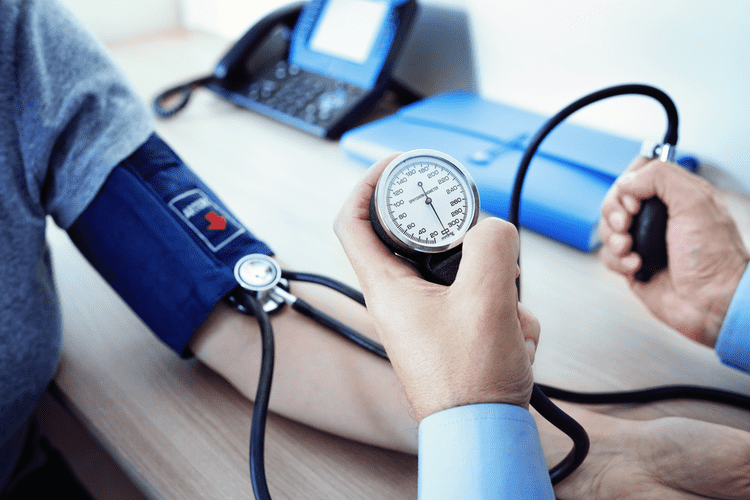
In some cases, emotional responses to traumatic ptsd and alcohol abuse events or circumstances continue for a long period of time and interfere with everyday life, a condition known as post-traumatic stress disorder (PTSD). Stress and trauma may contribute to mental health disorders such as depression and anxiety, and to substance use and its progression to substance use disorders. Greater attention to members of our society who disproportionately bear the burden of trauma exposure, PTSD and comorbid AUD is warranted.
- This project will increase our understanding of environmental, social, genetic, and other biological factors that affect brain and cognitive development and that can enhance or disrupt a young person’s life trajectory.
- For example, the National Institute on Alcohol Abuse and Alcoholism (NIAAA) found that people with PTSD are 2 to 4 times more likely to have alcohol use problems than the general population.
- Glutamate is the most abundant excitatory neurotransmitter while GABA is the main inhibitory neurotransmitter.
- According to the National Center for PTSD, as many as three-quarters of people who have experienced violent abuse or assault report having issues with drinking later.
The amount of benzodiazepines prescribed to the patient should be limited, and the patient should be closely monitored for relapse or nonmedical use of benzodiazepines or other medications. Over the past few decades, important advances have been made in behavioral treatments for comorbid AUD and PTSD. The most notable area Oxford House of progress is the development of trauma-informed, manual-guided, integrated, cognitive behavioral treatments that concurrently address symptoms of both conditions. Before these developments, sequential treatment was the only form of behavioral intervention employed. Now, individuals with comorbid AUD and PTSD, as well as their health care providers, have additional treatment options available.